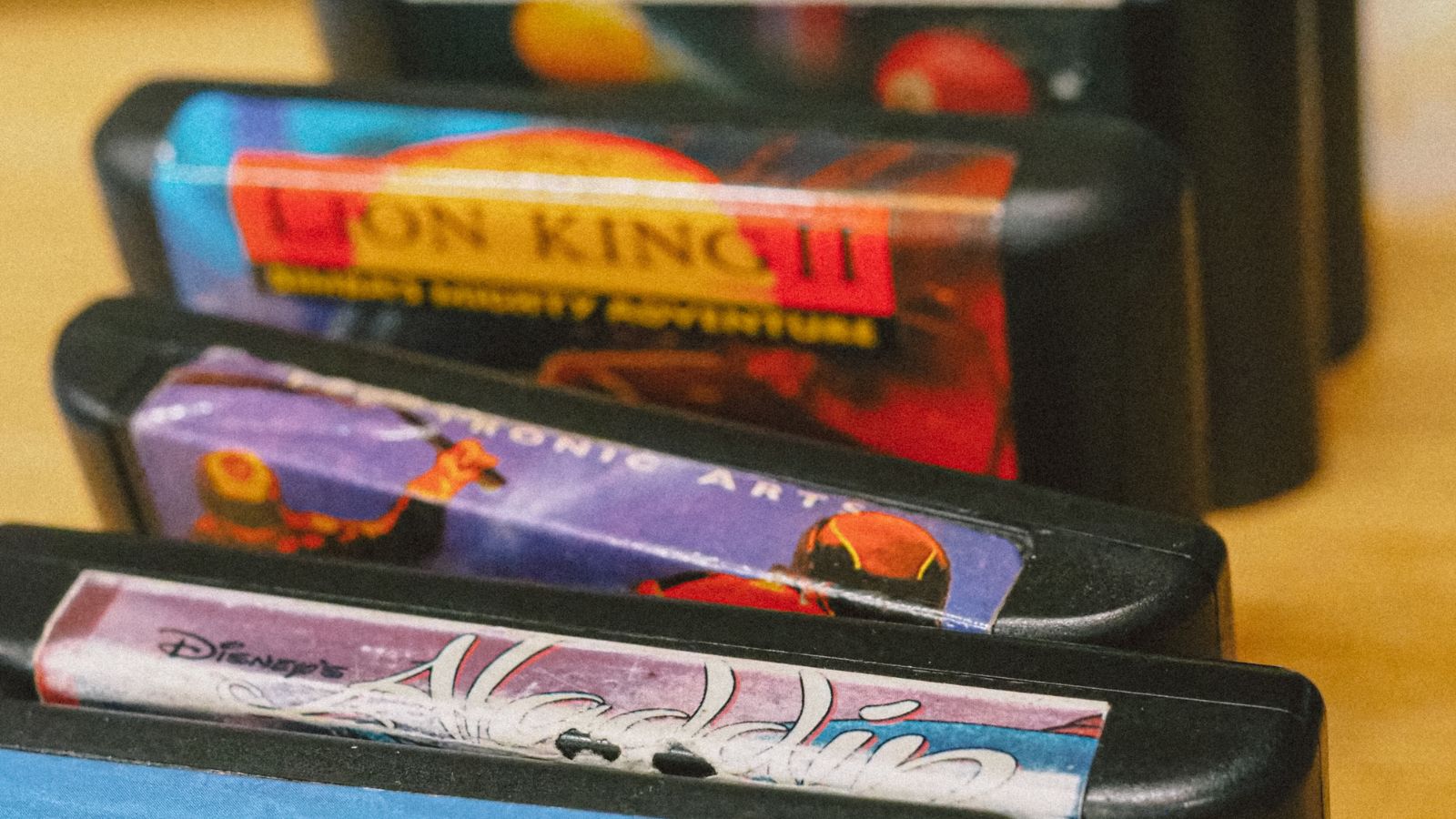
I have a shelf in my office with Game Boy cartridges lined up like little gray soldiers. A stack of PS1 jewel cases with cracked hinges. PS2 games I’ll probably never play again but will never sell. Original Xbox titles still in their green cases. A row of Xbox 360 games that survived the Red Ring era.
None of this is worth a fortune. Most of it is worth less than a decent lunch. But every cartridge and disc on that shelf is mine. No server shutdown will take them away. No licensing dispute will delist them from my collection. No storefront closure will revoke my access.
That distinction is about to matter a lot more than most people realize.
The Numbers Don’t Lie
Physical game sales in the US hit an all-time tracked low in 2025, dropping 11% from the prior year to just $1.5 billion. That’s the lowest since tracking began in 1995.
Over 80% of console game sales are now digital. The trend line only goes one direction.
The hardware is following the software. The PS5 launched with a disc-less SKU from day one. The Xbox Series S never had a drive. Microsoft’s next-gen plans are leaning so heavily into digital that upcoming Xbox-exclusive titles are reportedly only getting physical releases on PlayStation.
Read that again. Xbox games getting physical discs only on PlayStation. That’s how little Microsoft cares about physical media on their own platform.
The Disc That Isn’t Really a Disc
Even when you buy physical in 2026, you’re often not getting what you think you’re getting.
Indiana Jones and the Great Circle shipped on PS5 with only 20GB of data on the disc. The rest? A mandatory download. The disc is essentially a license key in a plastic case.
This is becoming the norm, not the exception. Day-one patches that are bigger than the disc contents. Games that require online authentication even for single-player. “Physical” editions that are just a box with a download code inside.
The industry is making physical media worse on purpose. Not because they can’t fit games on discs, but because they don’t want to. Every physical sale is less profitable than a digital one. Every used disc resold is a new sale they didn’t get.
The Nintendo Connection
This is exactly why Nintendo’s new Switch 2 pricing strategy matters beyond just the dollar signs. By pricing digital $10 cheaper than physical, Nintendo is creating a financial incentive to go disc-less (or in their case, cartridge-less).
It’s smart business. It’s consumer-friendly in the short term. And it’s another brick in the wall between you and actually owning the things you buy.
The NAND memory shortage from AI data centers is making cartridge production more expensive. That’s real. But it’s also incredibly convenient timing for an industry that’s been trying to kill physical media for a decade.
What You Actually Own (Hint: Nothing)
Here’s the part that should make every gamer uncomfortable.
When you buy a digital game, you’re buying a license to access that game on that platform for as long as the platform exists and the publisher maintains the listing. That’s it.
Games get delisted constantly. Licensing expires. Studios close. Publishers decide a game isn’t worth maintaining. When that happens, the game vanishes from the store. If you already own it, you can usually still download it. Usually. For now.
The Crew got pulled from digital libraries entirely. Not just delisted from purchase, but removed from people who had already bought it. Gone. The Stop Killing Games initiative exists specifically because of cases like this.
A wave of PlayStation delistings is hitting in March and April 2026. Ten titles across PS4 and PS5. Servers shutting down. Games becoming unplayable.
You know what still works? My copy of Castlevania: Symphony of the Night on PS1. No patch needed. No server required. Pop it in, play it. Twenty-nine years later.
The Redbox Graveyard
Remember Redbox? Those red kiosks outside every grocery store? They rented games too, until they exited the game rental business in 2019 and then went fully bankrupt in 2024.
Each kiosk held up to 630 discs. With roughly half a fleet still stocked, that’s over 10 million DVDs that needed somewhere to go. Some got donated to shelters and community organizations. A lot ended up on eBay in bulk lots. The kiosks themselves sat abandoned in parking lots for months because nobody could figure out whose job it was to remove them.
Redbox was a symptom, not the disease. Physical media distribution infrastructure is being dismantled piece by piece. Fewer retail shelf feet dedicated to games. Fewer stores carrying them at all. The logistics chain that gets a disc from a factory to your hands is shrinking every quarter.
Why I’m Still Buying Carts and Discs
The retro game collecting market is worth $3.8 billion and growing at 10% annually. That’s not just nostalgia dollars. That’s a market signal that people value physical ownership.
After the pandemic-era speculation bubble popped, the market has stabilized around genuine collector demand. Common N64 titles sit in the $15-30 range. First-party Nintendo games run $30-70. CIB (complete in box) copies with clean manuals command real premiums.
But I don’t collect because of market values. I collect because:
Ownership is real. That Game Boy cartridge of Pokemon Blue has been mine since 1998. No terms of service. No license agreement. No company can revoke it.
History is physical. Holding an original NES cartridge connects you to a specific moment in gaming history in a way that a digital library entry never will. The wear on the label. The faded Sharpie from a garage sale. The manual with someone’s notes in the margins.
Preservation matters. When servers shut down and stores delist games, physical copies become the only surviving record that those games existed. Collectors aren’t just hobbyists. They’re accidental archivists.
It’s just better. Opening a new game, reading the manual, looking at the cover art. That tactile experience is part of gaming culture. Scrolling through a digital library doesn’t hit the same way.
The Genuine Geek Take
We’re watching physical media die in real time and most people don’t care because digital is more convenient. And it is more convenient. I’m not going to pretend otherwise.
But convenience has a cost. When everything you “own” is actually a license on someone else’s server, you own nothing. You’re renting access to your own hobby.
Twenty years from now, someone will want to play a game from 2025. The digital version might not exist anymore. The servers might be offline. The storefront might be gone. The studio might have been acquired and dissolved three times over.
But somewhere, in a box in someone’s closet, there’ll be a cartridge or a disc. And it’ll still work.
That’s why I keep buying them. That’s why the shelf stays full.
The industry can kill physical media. They can’t kill my collection.